


Wrist Ligament Injury
What is a wrist ligament injury?
The scapho-lunate, dorsal intercarpal (DIC) and dorsal radiocarpal (DRC) ligaments, are important ligaments that hold the scaphoid and lunate bones of the wrist together so they can move normally. When these ligaments are injured – usually by being torn off their bone attachment – the scaphoid and lunate separate and the wrist joint becomes unstable. Eventually arthritis of the wrist develops because the scaphoid starts partly dislocating, damaging the cartilage lining the joint.


Normal anatomy of the wrist ligaments view from the dorsal (top) aspect of the wrist
When multiple ligaments are injured, the scaphoid and lunate separate, the scaphoid and lunate rotate in opposite directions.
How do wrist ligament injuries occur?
-
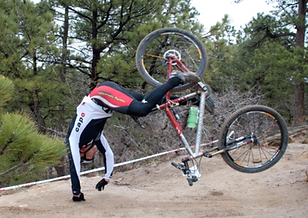
Usually a significant force is required to cause acute (sudden) instability of the wrist by damage to multiple ligaments. Contact sports, falls and bicycle/motorcycle accidents are common causes.
-
Wrist ligament injuries may also be subacute (gradual onset). Repeated injuries resulting in further ligament damage until the wrist becomes symptomatic.


What are the symptoms of wrist ligament injury?
-
A major sudden wrist ligament injury usually results in marked swelling, weakness and pain. The injured person often feels that their wrist may be broken but the X-rays can initially be normal.
-
A series of wrist injuries over many years can eventually result in painful instability. In this situation, the swelling is often less severe and the injury can go unrecognised for many months.
-
Pain - especially with loading the wrist in extension (e.g. push ups) or performing repetitive tasks.
-
Weakness of grip
-
Wrist swelling and stiffness
-
There may be a sense of instability or a "clunking" sensation when loading the wrist.
How are wrist ligament injuries diagnosed?
History & Examination
-
The diagnosis is suggested by a history of significant trauma, mild to moderate wrist swelling, persistent pain & weakness. There will be tenderness over the dorsal side of the wrist. If multiple dorsal ligaments are ruptured there may be a positive Watson shift test (see image).
-
A positive Watson shift test is when the scaphoid partly dislocates(subluxed) over the rim of the radius during a specific manoeuvre. Direct pressure is placed on the underside of the scaphoid and the wrist is moved from an ulnar to radial direction by the examiner. An uncomfortable “clunk” or pain occurs when the scaphoid subluxes.
-
A ganglion cyst may be present as ganglions occur due to wrist ligament injuries.


Positive Watson Shift Test
Imaging
X-rays
-
May be normal
-
An increased scapholunate interval may be present - if not a "clenched fist" x-ray of both hands may show an increased space between scaphoid and lunate.
-
Signet ring sign
-
Flexion of the scaphoid relative to the lunate - results in an increased scapholunate angle on lateral (side view of wrist

Normal alignment of the carpal bones:
3 parallel lines called Gilula's lines.

Bottom: Increased scapholunate angle due to ligament injury
Top: Normal scapholunate angle
Lateral (side) view of wrist comparing normal and abnormal angle between scaphoid & lunate.

X-ray showing carpal instability due to major wrist ligament disruption.
Signet ring sign

-
Increase in the distance between scaphoid and lunate.
-
Loss of parallel carpal alignment (Gilula's line).
MRI
-
When the x-rays are normal but the examination suggests carpal instability, an MRI scan may be performed.
-
As advances in understanding dorsal wrist ligament injuries are relatively recent, only a radiologist who works closely with a hand & wrist surgeon may have the experience to identify and report the subtle findings.
-
Please ask Canberra Hand Centre which radiologist to be referred to before booking an MRI of your wrist.
Treatment Options
-
Non-operative treatment
-
Wrist ligament repair or reconstruction surgery
1. Non-operative treatment
-
A dorsal wrist ligament injury without instability is usually first managed with splinting & hand therapy. A course of anti-inflammatories or a steroid injection may also be recommended to decrease swelling and inflammation.
-
Rest in a wrist splint following injury.
-
Anti-inflammatories
-
Steroid injection
-
Hand therapy - wrist stabilising exercises work on the muscles of the main wrist flexor and extensor tendons to help control instability.
-
Even without major instability, if symptoms of pain or weakness still persist, an MRI and wrist ligament repair may be required.
2. Wrist Ligament Repair
-
A major ligament rupture will usually be treated with surgery to repair the injured ligaments.
-
The scaphoid and lunate are brought back into their normal alignment and the injured ligaments are re-attached to bone with suture anchors.
-
The operation is performed as a day surgery procedure under general anaesthetic and takes 90-120 minutes.
-
A skin crease incision is used with dissolving sutures.
-
A fibreglass wrist splint is applied and a sling and a prescription for pain relief provided.


Recovery after surgery
More severe ligament injuries will take longer to recover than more minor ligament injuries. Even with optimal surgical care, there will be a degree of reduced movement and grip strength.
2 Days:
-
Rest and elevation to allow swelling to settle.
-
Review by hand therapist to make dressings less bulky and start gentle exercises.
-
A custom-made splint shall is made and is to be warn at all times between exercises
2 Weeks:
-
Review by hand therapist and surgeon.
-
Wound healed - may commence washing the area.
2-4 months:
-
Gradual upgrade exercises and strengthening.
-
No lifting greater than 2kg, no push ups, avoid strong gripping and twisting. I
-
It takes 4 months for the ligaments to heal so it is very important to only do what Dr Green and the hand therapist advise, even if your wrist feels strong.
4-6 months:
-
Gradual return to normal activities.
12 months:
-
Maximum recovery.
Risks of wrist ligament repair
-
Even when expertly treated, major dorsal ligament injuries are a serious injury and there will be some reduction of wrist movement and grip strength. It is still unknown whether wrist ligament repair will prevent arthritis. Surgery usually improves pain, grip strength and overall function.
-
If the ligaments are not repaired and the wrist joint remains unstable, post-traumatic arthritis will slowly develop because the scaphoid continues to slide in and out of the joint, wearing the cartilage lining. There can also be significant damage to the joint cartilage at the time of the injury.
-
Infection (1%)
-
Failure of the ligament repair from repeat injury or not following rehabilitation program
-
Wrist stiffness
-
Carpal tunnel syndrome is very common when there has been a major wrist injury. Surgery to release the carpal tunnel may be recommended if there are signs and symptoms prior to the wrist ligament repair.